Understanding NBC 2016 Part 4: Essential Fire Safety Mandates for Indian Facilities
25 Sep 2026
A comprehensive technical blueprint on National Building Code (NBC 2016) Part 4 compliance, automatic sprinkler hydraulic design, and life-safety integration in modern infrastructure.
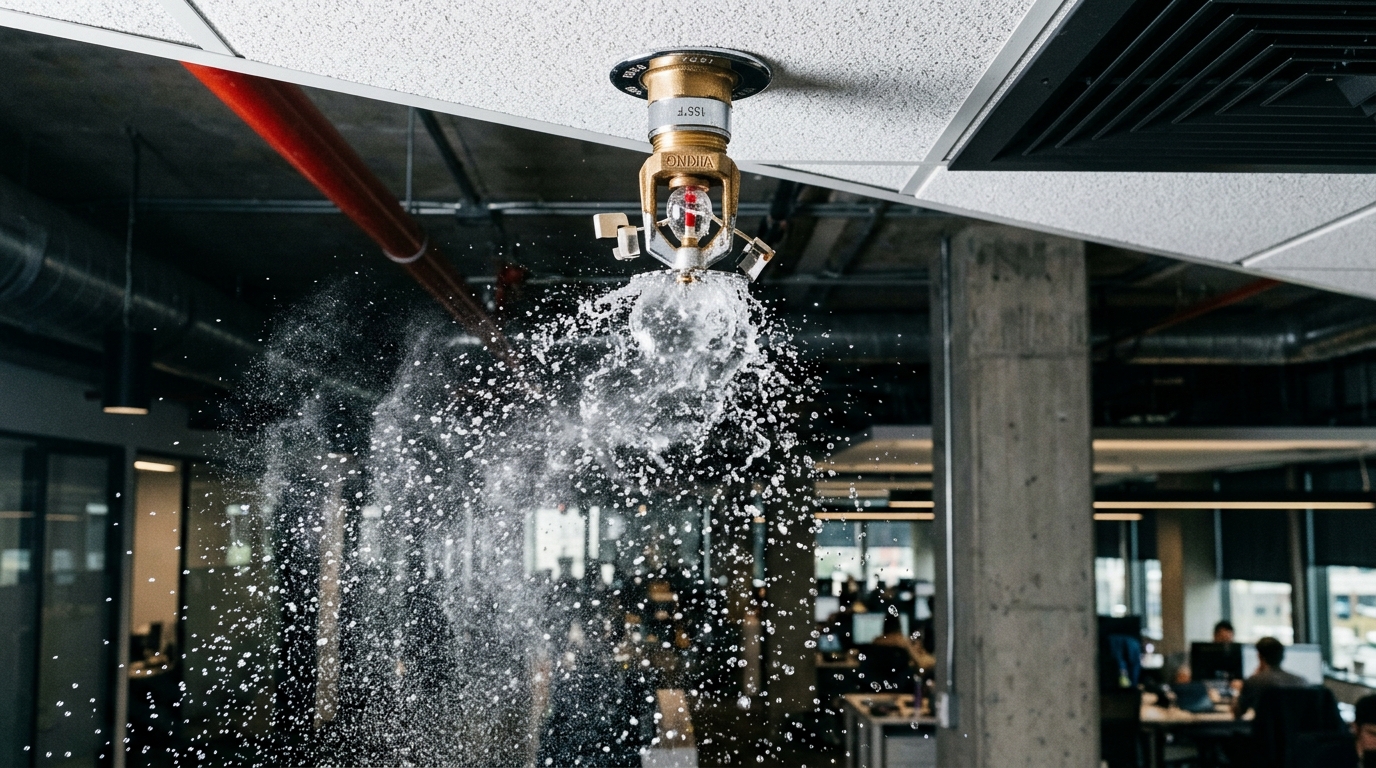
Modern commercial high-rises and industrial campuses demand fail-safe life safety infrastructure that operates seamlessly in high-stress emergency conditions. Turnkey fire protection and MEP engineering represent the critical defensive backbone protecting thousands of lives and billions of rupees in structural assets.
Unlike piecemeal contracting where equipment sourcing, hydraulic layout, and statutory testing are fragmented across multiple sub-vendors, a turnkey engineering approach guarantees end-to-end accountability. From initial computerized hydraulic flow calculations using Hazen-Williams formulas to the commissioning of UL-listed automatic diesel booster pumps, every subsystem is engineered to work in unified harmony.
Under India's National Building Code (NBC 2016 Part 4), every structure exceeding 15 meters in height must integrate compartmentalized smoke evacuation, pressurized emergency exit stairwells, dual-riser wet hydrant systems, and comprehensive automatic sprinkler coverage throughout occupied basements, floors, and utility shafts.
NBC 2016 mandates that all high-rise fire pump sets must possess independent, dual-source prime movers: a primary electrical motor backed by an automatic diesel engine driver capable of 100% duty cycle, ensuring non-stop hydraulic pressurization even during severe grid blackout or municipal electrical isolation.
Fire safety does not operate in isolation; it is deeply intertwined with a facility's overall mechanical, electrical, and plumbing (MEP) infrastructure:
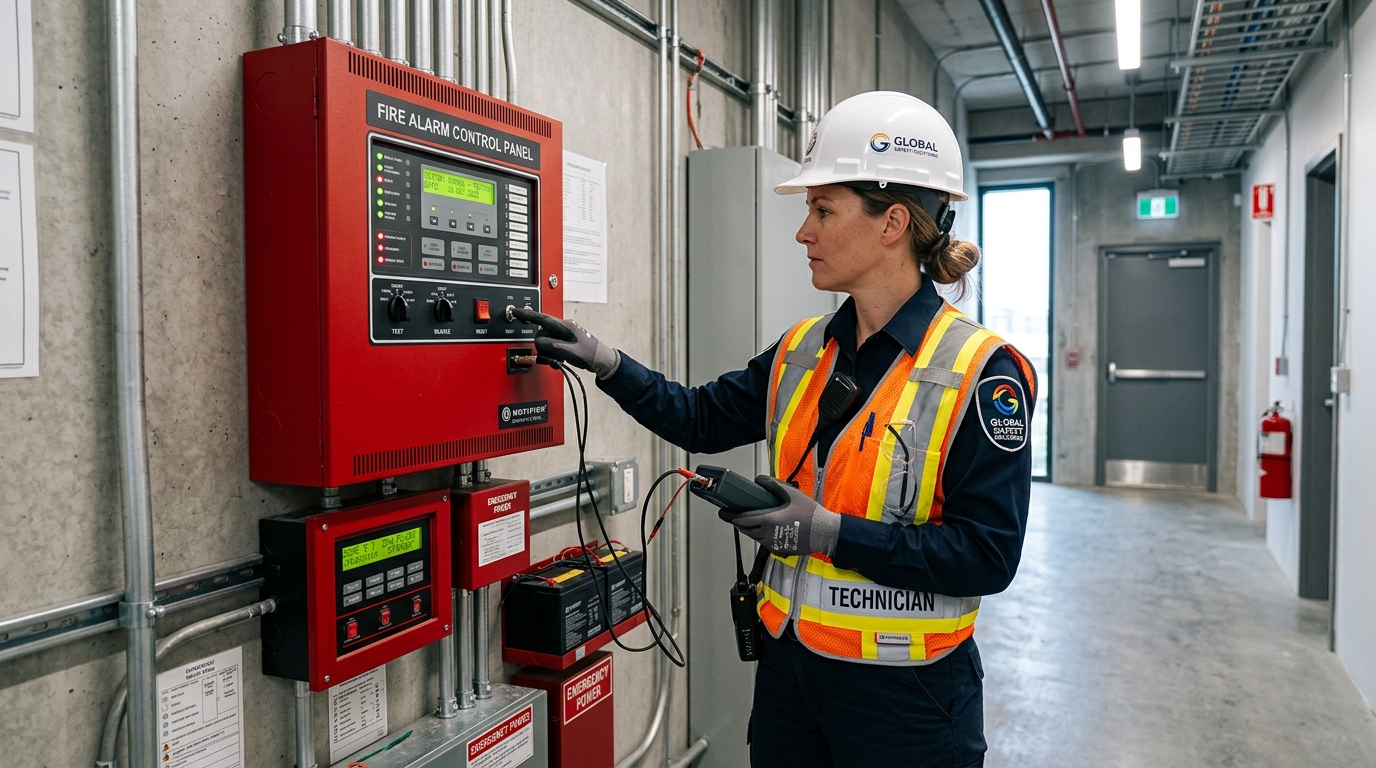
Even the most sophisticated system will degrade if neglected. Routine weekly churning of fire pumps, monthly pressure drop simulation via test drain valves, and bi-annual flow tests are mandatory to prevent valve seizure, impeller cavitation, and scale buildup inside riser pipes. FPS Enterprises provides certified Comprehensive and Non-Comprehensive Annual Maintenance Contracts (AMC) executed by factory-trained MEP technicians.
Hydraulically calculated pre-action sprinkler coverage reduces casualty risk to near zero.
Full statutory clearance with local fire department NOCs and BIS certification.
Sub-60 second detection-to-suppression cycle through addressable optical smoke sensors.
Galvanized ASTM piping and scheduled annual maintenance contracts minimize downtime.
Diesel engine driven secondary booster pump activates instantly on grid power loss.
Get in touch with our certified engineers for a tailored solution.

 Building Safety
 Maintenance & AMC
 Plumbing Systems
 Solar Energy